






Flip Physics
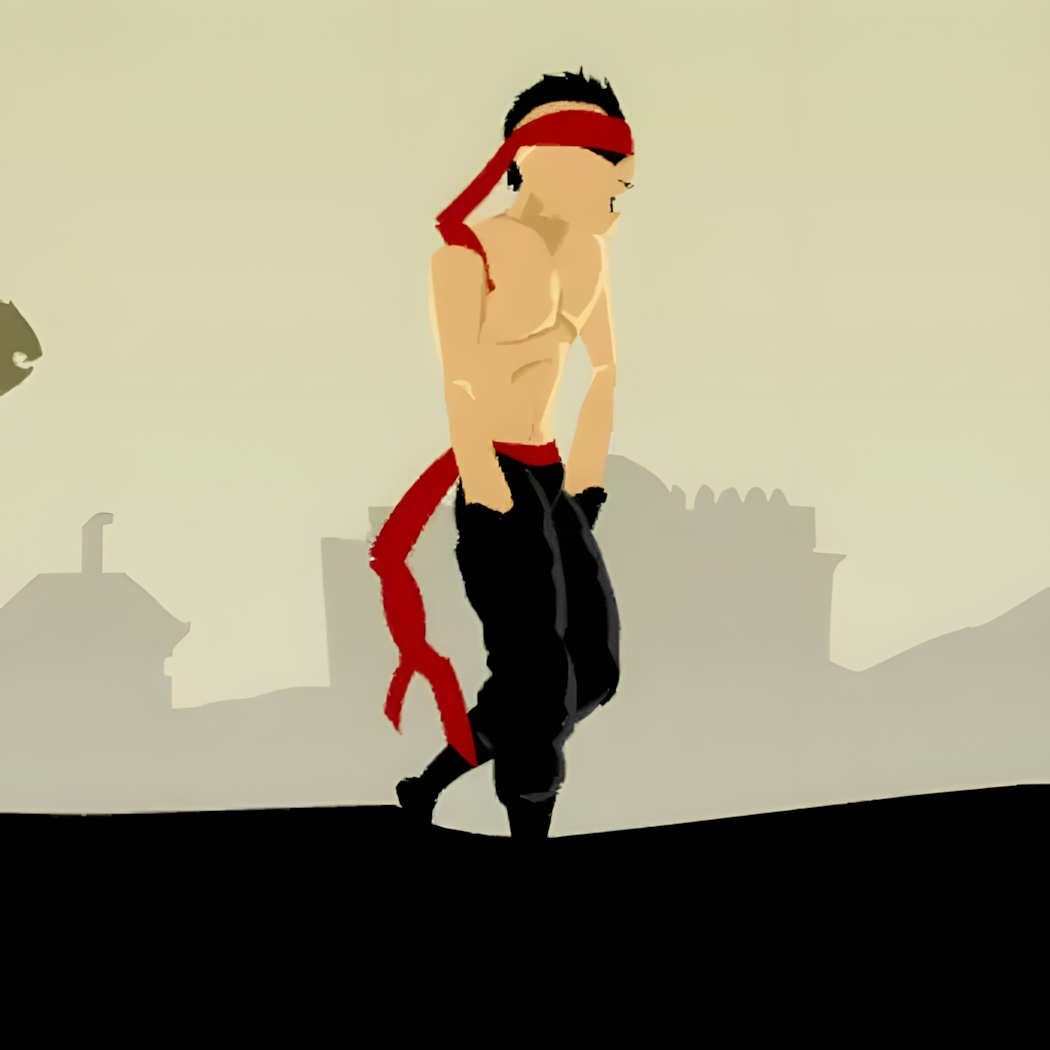
Flip Physics is a physics-based gymnastics game about swinging from a horizontal bar, releasing at the right moment, flipping through the air, and catching the bar again. Your character is not following a fixed animation. Momentum, rotation, body position, and release angle all shape the outcome, so each attempt plays out a little differently.
Timing matters more than rapid button presses. Release too early and you may fall short of the bar. Release too late and you may pass the best position for the catch. The game rewards small adjustments and careful observation as you learn how each pose affects your movement in the air.
How to Play
Build momentum with a few swings before releasing the bar. In Flip Physics, letting the swing develop gives you more control than releasing right away. Swing speed affects how far you travel, while the release direction sets the start of your flight path. Watch the character over several swings and note the highest and lowest points of the motion. The lowest point can give you extra speed, but releasing at the wrong angle can make recovery difficult.
Release the bar and control the airborne phase. Flip Physics lets you adjust the character’s body position, which changes rotation and travel. Tucking increases rotation speed for fast flips. Arching slows the rotation and can help set up the catch. Layout and pike positions produce different movement patterns, so try them at different points in the same jump. Watch the result before changing poses; one extra input can turn a clean rotation into an awkward landing.
The goal is to reach the bar and grab it again. In Flip Physics, follow the character’s trajectory instead of counting rotations. Watch the bar, estimate where the character will meet it, and time the regrab so the hands line up with the target.
Stop rotating once the character is moving toward the bar. Extra spins can carry the character past the target or leave too little time to prepare. After a catch, hold the landing position when the game requires it and review the result. Missing above the bar usually means adjusting the release angle or rotation speed. Falling short means building more momentum before letting go.
Once the swing, flip, and regrab are consistent, practice connecting them into smoother combinations.
- Spacebar: Release the bar or start a new attempt.
- J: Arch your body to slow rotation.
- K: Tuck to rotate faster.
- L: Use the layout position, with your body extended.
- I: Use the pike position, folding at the hips.
- Q / W: Twist left or right in the air.
- O: Flash during the jump.
- U: Squat before the catch or landing.
- S: Hold your landing position.
Practical Tips
Flip Physics is easier when you treat each attempt as a short test. Start with the swing and release, without adding poses. This shows how much distance the character gains from different release points. Once that feels familiar, add one body position at a time. Use the tuck to speed up rotation and the arch to slow an overly fast spin. The layout and pike need more precise timing, so save them for later.
Timing also depends on what the character does before releasing. A strong swing can still miss if the release points the character the wrong way. Release while the body is moving toward the next bar, then make the smallest pose change that fixes the problem. Short corrections are easier to control than a long sequence of inputs. Repeating the same movement and comparing where the character reaches the bar can also reveal small timing differences, especially when the rest of the sequence stays the same.
The regrab deserves as much attention as the flip. Start preparing for it before the character reaches the bar. If the character is still rotating too quickly, switch to an arched or otherwise slower position. If the body is too compact as the hands approach, use a more extended pose. Q and W can adjust the approach from the side, but twisting too late may pull the hands away from the target.
If the character needs to land in a specific position, keep S ready for the final stage and press it only when the landing begins. A restrained final input usually works better than one last dramatic move.
Games similar to Flip Physics include Ragdoll Flip, Flip Master, and Flip Rush. Ragdoll Flip uses loose, physics-driven movement. Flip Master focuses on repeated flips and controlled landings, while Flip Rush moves faster and demands quicker reactions. All three suit players who enjoy managing momentum, adjusting rotation, and correcting their movement in midair.
How to play
-
Keyboard
Arrow keys or W A S D to move, Space to jump, Shift to slide or dash.
-
Touch
Swipe left, right, up or down to move, jump and slide.
-
Tips
Look ahead rather than at your character, and keep a steady rhythm — perfect timing beats panic.
Best score is saved locally in your browser. No download or registration required.